

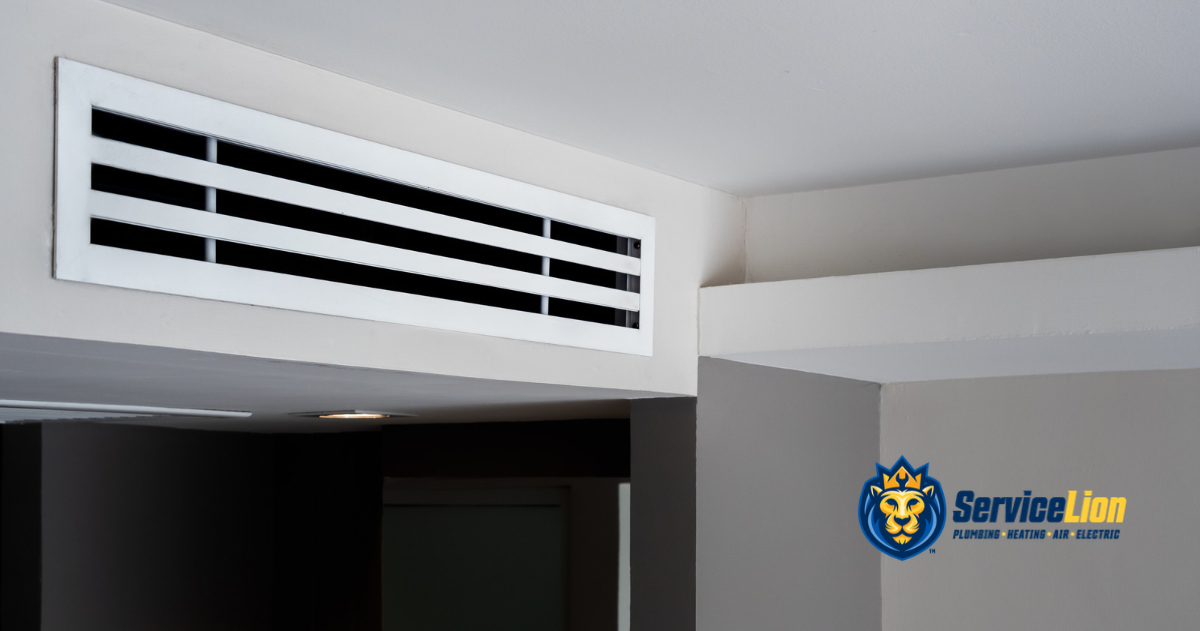
Your air conditioner is running, the thermostat is set to a comfortable temperature, and cool air is coming through the vents. But something feels off. The airflow is noticeably weaker than usual, and certain rooms take longer to cool down.
Weak airflow from AC vents can make your home uncomfortable, especially during warmer days in Yorba Linda. Even when the air coming out feels cold, your cooling system may struggle to distribute enough of it throughout the house.
The cause could be something as simple as a dirty air filter or a closed vent. In other cases, restricted ductwork, blower problems, or a frozen evaporator coil may be responsible.
Understanding where the airflow problem starts can help you determine what to check and when professional HVAC service is needed.
1. A Dirty Air Filter Is Restricting Airflow
One of the first things to check when your AC vents aren’t delivering enough air is the system’s air filter.
The filter traps dust, pet hair, and other airborne particles before they reach important HVAC components. As debris accumulates, the filter becomes increasingly restrictive.
A heavily clogged filter can reduce the amount of air moving through the system.
Signs of a dirty filter include:
- Weak airflow from several vents
- Excessive dust buildup on the filter
- Longer cooling cycles
- Reduced cooling performance
- Ice forming on the indoor cooling coil
Check the filter and replace it if it’s dirty. Use the filter size and specifications recommended for your HVAC system.
If airflow remains weak after replacing the filter, another restriction or mechanical issue may be involved.
2. Supply Vents Are Closed or Blocked
Sometimes the problem is happening right at the vent.
Furniture, rugs, curtains, or storage items can obstruct supply registers and prevent conditioned air from circulating properly.
Partially closed registers can also reduce airflow to individual rooms.
Walk through your home and check that:
- Supply registers are open.
- Furniture isn’t covering floor vents.
- Curtains aren’t blocking wall registers.
- Return-air grilles have adequate clearance.
Avoid closing multiple vents to redirect air into other rooms. Depending on the duct system, doing so can increase pressure and reduce overall HVAC performance.
If one room consistently has weaker airflow despite unobstructed vents, the issue may be farther inside the ductwork.
3. Leaking or Damaged Air Ducts
Your ductwork carries cooled air from the HVAC system to different rooms throughout your home.
When ducts develop leaks, become disconnected, or are crushed, some of that air may never reach the intended vents.
This can be particularly noticeable in homes with ductwork running through attics or other unconditioned spaces.
Possible signs of ductwork problems include:
- One or more rooms receiving noticeably less air
- Unusually dusty rooms
- Uneven cooling throughout the house
- Higher cooling costs
- Visible damage to accessible duct sections
Duct leaks aren’t always easy to identify because much of the ductwork may be hidden behind walls, ceilings, or insulation.
An HVAC technician can inspect the duct system and identify sections that need sealing, repair, or replacement.
4. The Blower Motor Isn’t Moving Enough Air
The blower is responsible for circulating air through your HVAC system and into the ductwork.
If the blower motor is malfunctioning, operating at an incorrect speed, or struggling because of a mechanical or electrical issue, the system may not move enough air.
You might notice weak airflow throughout the house rather than at one specific vent.
Other possible symptoms include unusual noises, intermittent airflow, or the indoor fan failing to operate consistently.
Blower-related problems require professional diagnosis because several components can affect fan operation.
5. A Frozen Evaporator Coil Is Blocking Airflow
Your AC’s evaporator coil absorbs heat from indoor air as part of the cooling process.
Under normal conditions, air moves across the coil and returns to your living spaces through the supply ducts.
However, restricted airflow or certain refrigerant-system problems can cause the coil temperature to fall below freezing.
Ice may gradually build up and obstruct airflow even further.
Warning signs include:
- Airflow becoming weaker while the AC runs
- Ice on refrigerant lines or accessible indoor components
- Reduced cooling performance
- Water appearing near the indoor unit as ice melts
If you suspect the evaporator coil is frozen, turn off cooling and contact an HVAC professional. Do not chip away ice or attempt refrigerant repairs yourself.
The underlying cause needs to be corrected to prevent the problem from returning.
6. The Return-Air Path Is Restricted
Supply vents deliver conditioned air into your rooms, while return vents allow indoor air to flow back to the HVAC system.
Both sides are important for proper circulation.
If a return grille is blocked by furniture or other objects, the system may struggle to pull in enough air.
Some homes may also have inadequate return-air pathways, particularly when interior doors are closed.
Check that return grilles are unobstructed and avoid placing large items directly in front of them.
If airflow improves when certain doors are opened, an HVAC technician can assess whether the home’s return-air design is contributing to the problem.
Weak Airflow From One Vent vs. Every Vent
The number of affected vents can help narrow down the possible cause.
Weak Airflow From Just One Vent
If one room has poor airflow while the rest of the house feels normal, possible causes include a closed register, blocked branch duct, damaged duct connection, or airflow-balancing issue.
Weak Airflow Throughout the House
If nearly every vent has weak airflow, the problem may be closer to the HVAC equipment.
A clogged filter, blower malfunction, frozen coil, or major return-air restriction could affect the entire system.
These patterns aren’t enough to confirm a diagnosis, but they’re useful details to share when scheduling HVAC service.
What Can You Safely Check Before Calling for Service?
Before assuming your AC needs a major repair, start with a few simple checks.
- Inspect the air filter and replace it if needed.
- Make sure supply vents are open and unobstructed.
- Check that return-air grilles aren’t blocked.
- Compare airflow between different rooms.
- Listen for unusual sounds from the indoor HVAC equipment.
- Look for visible ice or water near the indoor unit without opening electrical or refrigerant components.
If airflow remains weak, avoid repeatedly adjusting the thermostat in an attempt to force more cooling. Lowering the temperature setting won’t correct a physical airflow restriction.
When Should You Call an HVAC Technician?
Some airflow problems are easy to resolve, but others require specialized tools and training.
Schedule an HVAC inspection if:
- Airflow remains weak after changing the filter.
- Several rooms aren’t receiving enough air.
- The indoor blower makes unusual noises.
- You notice ice forming on AC components.
- Your system runs for long periods without cooling effectively.
- Airflow has suddenly decreased.
- You suspect damaged or leaking ductwork.
A technician can evaluate airflow, duct static pressure, blower operation, and other system conditions to identify the actual restriction.
Restore Comfortable Airflow Throughout Your Home
Weak airflow doesn’t necessarily mean your air conditioner is failing. Sometimes the problem is a dirty filter or blocked register. Other times, the system needs ductwork repairs, blower service, or attention to its cooling components.
The important thing is identifying the cause before reduced airflow leads to further cooling problems.
Service Lion Plumbing Heating Air Electric provides residential AC repair, maintenance, and HVAC services throughout Yorba Linda and Orange County. If your AC vents aren’t delivering enough air, call (657) 567-7305 or schedule service online.
Frequently Asked Questions
Why is barely any air coming out of my AC vents?
Weak airflow may be caused by a clogged air filter, blocked vents, damaged ductwork, blower motor problems, or a frozen evaporator coil. The cause depends partly on whether one vent or multiple vents are affected.
Can a dirty AC filter cause weak airflow?
Yes. A heavily clogged air filter restricts air entering the HVAC system, which can reduce the amount of conditioned air delivered through the vents.
Why does one room have weaker AC airflow than the others?
A closed register, damaged branch duct, duct leakage, or airflow-balancing problem may cause one room to receive less air. Room layout and duct design can also contribute.
Can low AC airflow damage my air conditioner?
Yes. Severe airflow restrictions can contribute to frozen evaporator coils, reduced efficiency, and additional strain on HVAC components. Persistent airflow problems should be addressed.
When should I call an HVAC professional in Yorba Linda for weak airflow?
Schedule professional service if replacing the filter and clearing vent obstructions don’t help, multiple rooms have poor airflow, the system makes unusual noises, or you notice ice or water near the indoor unit.