

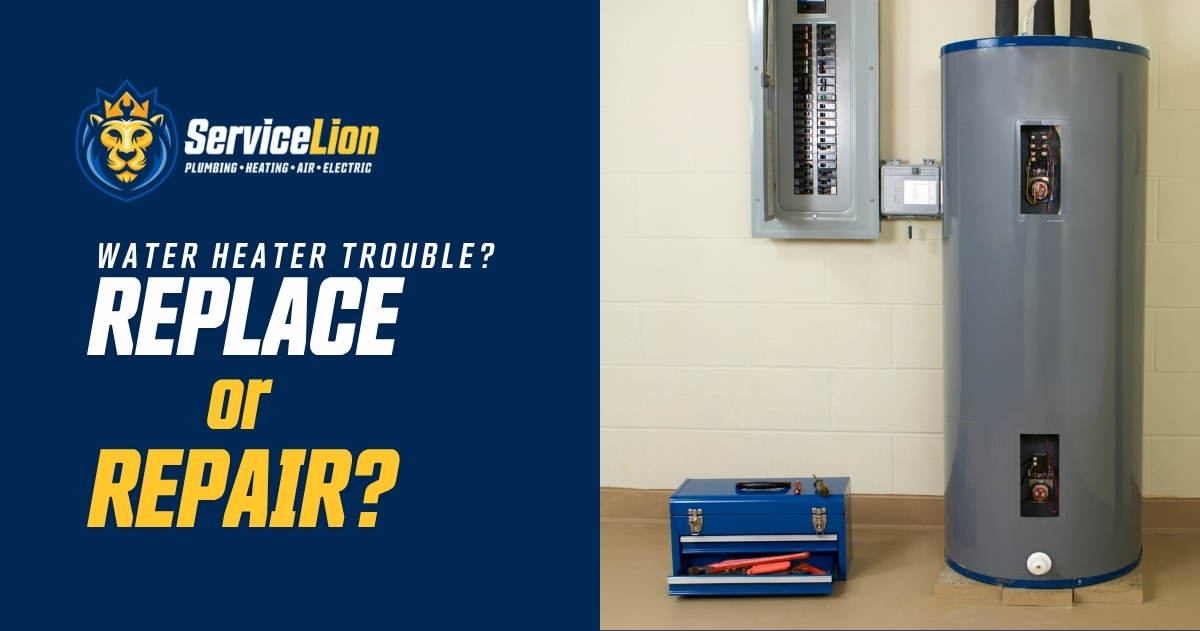
A water heater is one of those appliances you don’t think about until something goes wrong.
Maybe you’re running out of hot water faster than usual, hearing strange noises from the tank, or discovering a puddle underneath the unit. In many cases, these problems can be repaired—but not always.
If you own a home in Upland, knowing when it’s worth repairing your water heater and when replacement makes more financial sense can save you from repeated service calls and unexpected breakdowns.
Here are the biggest signs it’s time to replace your water heater instead of repairing it.
Your Water Heater Is More Than 10–12 Years Old
Most traditional tank water heaters have an average lifespan of 8 to 12 years.
As the unit ages, internal corrosion gradually weakens the tank and components begin wearing out.
If your water heater is already over 10 years old and needs a major repair, replacing it is often the better long-term investment.
You can usually determine the age of your unit from the manufacturer’s label or serial number.
The Tank Is Leaking
A leaking water heater isn’t always an emergency—but where the leak is coming from matters.
Leaks from fittings, valves, or supply lines can often be repaired.
However, if the steel tank itself is leaking due to internal corrosion, the tank cannot be repaired.
Once the tank begins failing, replacement is the only permanent solution.
You’re Constantly Paying for Repairs
One repair every several years is fairly normal.
But if you’ve replaced heating elements, thermostats, valves, or other components multiple times recently, the repair costs can quickly add up.
Instead of continuing to invest in an aging unit, replacing it may save money over time while providing greater reliability.
Rust-Colored Hot Water
Rusty hot water may indicate corrosion inside the water heater tank.
If only the hot water appears rusty while the cold water remains clear, the water heater is often the source of the problem.
Sometimes replacing the anode rod can extend the life of the unit, but if corrosion is widespread inside the tank, replacement is typically recommended.
You’re Running Out of Hot Water
If your family hasn’t grown but your hot water supply seems much shorter than it used to be, sediment buildup inside the tank may be reducing its efficiency.
Over time, minerals settle at the bottom of the tank, reducing heating performance and available hot water.
While flushing the tank may help in some cases, older units with heavy sediment buildup often continue experiencing problems.
Strange Noises Coming From the Tank
Popping, rumbling, or banging sounds usually result from hardened sediment inside the tank.
As the burner heats the trapped sediment, it creates loud noises and forces the system to work harder.
The more sediment that accumulates, the less efficient the water heater becomes.
Persistent noise in an older water heater often signals that replacement may be approaching.
Rising Energy Bills
Older water heaters generally become less efficient as they age.
If your utility bills continue increasing despite similar water usage, your aging water heater may be consuming more energy than necessary.
Newer high-efficiency models often provide better performance while reducing energy consumption.
Frequent Temperature Changes
Does your shower suddenly turn cold halfway through?
Inconsistent water temperatures can result from:
- Failing heating elements
- Thermostat problems
- Sediment buildup
- Aging internal components
While some of these issues are repairable, repeated temperature problems in an older unit may indicate it’s nearing the end of its service life.
Repair or Replace?
In general, repairing your water heater makes sense when:
- The unit is relatively new.
- The repair is minor.
- The tank itself isn’t leaking.
- Overall condition is good.
Replacement is usually the better option when:
- The unit is over 10–12 years old.
- The tank is leaking.
- Repairs are becoming frequent.
- Energy efficiency has significantly declined.
- Major internal corrosion is present.
A licensed plumber can help evaluate the condition of your current unit and explain which option offers the best long-term value.
Replacing a water heater before it completely fails helps avoid unexpected cold showers, water damage, and emergency replacement costs.
If your current unit is showing several of these warning signs, scheduling an inspection now can help you make an informed decision before it stops working altogether.
Service Lion Plumbing Heating Air Electric provides water heater repair, replacement, maintenance, and installation throughout Upland and Orange County. If you’re unsure whether your water heater should be repaired or replaced, call (657) 530-5808 or schedule online to have one of our licensed plumbers inspect your system.
FAQ
How long does a water heater usually last?
Most traditional tank water heaters last between 8 and 12 years with proper maintenance. Tankless water heaters often have longer lifespans.
Can a leaking water heater be repaired?
It depends on where the leak originates. Leaks from valves or fittings may be repairable, but a leaking tank usually requires replacement.
Is it worth repairing a 12-year-old water heater?
In many cases, replacing a water heater that’s 12 years old or older is more cost-effective than investing in major repairs.
Why is my hot water rusty?
Rust-colored hot water often indicates corrosion inside the water heater tank or deterioration of the anode rod.
How do I know if I need a larger water heater?
If your household consistently runs out of hot water despite the unit operating properly, your plumber may recommend installing a larger-capacity water heater to better meet your family’s needs.