

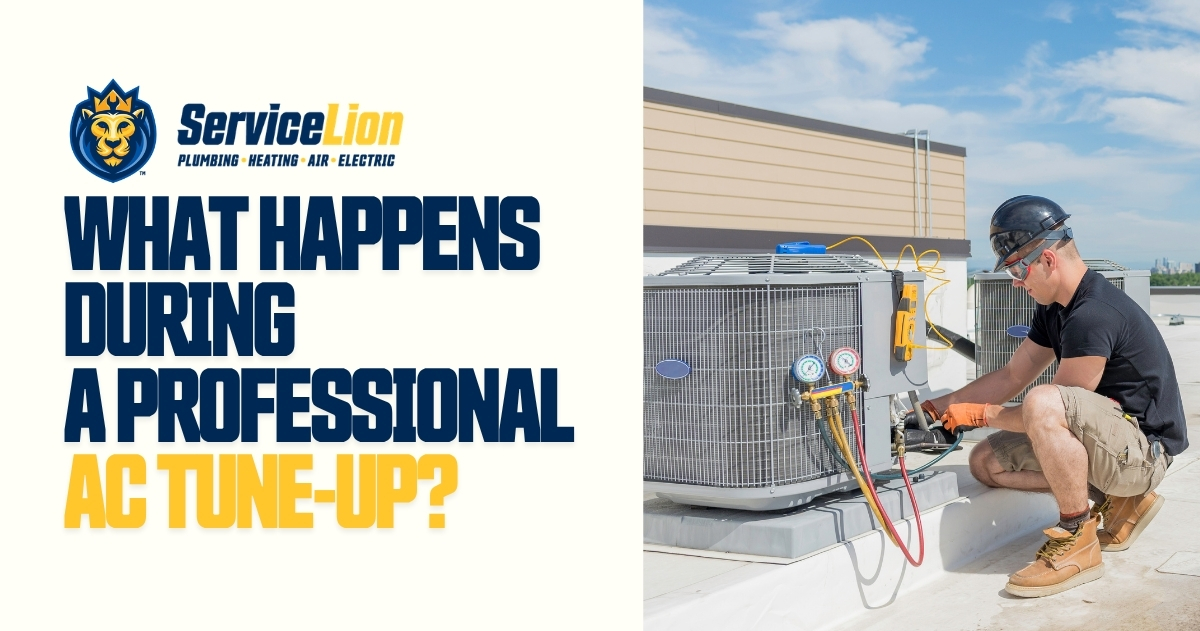
Many homeowners wait until their air conditioner stops working before calling an HVAC technician.
But just like your car, your AC system performs best when it’s maintained regularly. A professional tune-up helps identify small issues before they become expensive repairs while improving efficiency, reliability, and overall performance.
If you’re scheduling an AC tune-up for your Lake Forest home, here’s what you can typically expect during the service.
Why Regular AC Maintenance Matters
Your air conditioner works hard during Southern California’s warmer months.
Over time, dirt accumulates, electrical components wear down, and moving parts experience normal wear.
Without routine maintenance, these small issues can reduce efficiency, increase energy bills, and shorten the lifespan of your system.
Annual tune-ups help keep your equipment operating safely and efficiently.
Electrical System Inspection
One of the first steps during an AC tune-up is checking the electrical components.
Your technician will typically inspect:
- Contactors
- Capacitors
- Wiring connections
- Disconnect switches
- Voltage readings
- Amperage readings
These components play a critical role in starting and operating your air conditioner safely.
Refrigeration System Check
Proper refrigerant levels are essential for effective cooling.
During the inspection, technicians may:
- Measure refrigerant pressures
- Check superheat and subcooling
- Inspect refrigerant lines
- Look for signs of leaks
- Measure temperature differences across the system
If refrigerant levels are abnormal, further testing may be recommended to identify the cause.
Airflow Evaluation
Restricted airflow is one of the most common reasons an air conditioner loses efficiency.
Your technician will inspect:
- Air filters
- Supply vents
- Return vents
- Blower performance
- Airflow through the evaporator coil
Good airflow helps the entire system cool your home more effectively.
Cleaning the System
Keeping components clean allows your air conditioner to operate more efficiently.
Depending on your system, maintenance may include cleaning:
- Condenser coil
- Condenser cabinet
- Outdoor unit
- Debris around the equipment
- Condensate drain line
Removing dirt and debris improves heat transfer and helps reduce strain on the system.
Thermostat Testing
Your thermostat controls when the system starts and stops.
During the tune-up, your technician will verify that the thermostat:
- Responds correctly
- Reads temperature accurately
- Communicates properly with the HVAC system
- Cycles the equipment normally
An improperly calibrated thermostat can affect both comfort and efficiency.
Safety Checks
A professional maintenance visit also includes several safety inspections.
These may include checking:
- Electrical connections
- Equipment operation
- Drainage system
- Safety controls
- Overall system performance
Ensuring every component is operating properly helps reduce the risk of unexpected breakdowns.
Identifying Small Problems Early
One of the biggest advantages of annual maintenance is catching small issues before they become major repairs.
Your technician may identify:
- Weak capacitors
- Worn contactors
- Loose wiring
- Refrigerant concerns
- Dirty coils
- Minor airflow restrictions
Addressing these issues early often helps prevent costly emergency service later.
How Often Should You Schedule an AC Tune-Up?
For most homeowners, scheduling professional maintenance once a year, ideally in the spring before peak cooling season, is recommended.
Annual tune-ups help:
- Improve energy efficiency
- Extend equipment lifespan
- Reduce unexpected breakdowns
- Maintain reliable cooling
- Improve indoor comfort
Homes with heavy AC usage may benefit from more frequent inspections.
A professional AC tune-up is one of the easiest ways to protect your investment and keep your cooling system running efficiently throughout the summer.
Routine maintenance not only improves performance but also provides peace of mind by helping identify potential problems before they interrupt your comfort.
Service Lion Plumbing Heating Air Electric provides professional AC tune-ups, maintenance, inspections, and air conditioning repairs throughout Lake Forest and Orange County. If it’s been over a year since your last HVAC maintenance visit, call (657) 530-5808 or schedule online to have one of our licensed HVAC technicians inspect your system.
FAQ
How often should I schedule an AC tune-up?
Most manufacturers and HVAC professionals recommend scheduling a professional tune-up once a year, ideally before the cooling season begins.
How long does an AC tune-up take?
Most residential AC tune-ups take between one and two hours, depending on the condition and complexity of the system.
Will an AC tune-up lower my energy bills?
A properly maintained system often operates more efficiently, which can help reduce energy consumption and lower cooling costs.
Does a tune-up include refrigerant replacement?
Not usually. Technicians check refrigerant levels during the inspection, but refrigerant is only added if testing indicates a problem that requires service.
Is an AC tune-up worth it if my system is working fine?
Yes. Preventive maintenance helps identify developing issues early, improves efficiency, and can extend the lifespan of your air conditioning system.