

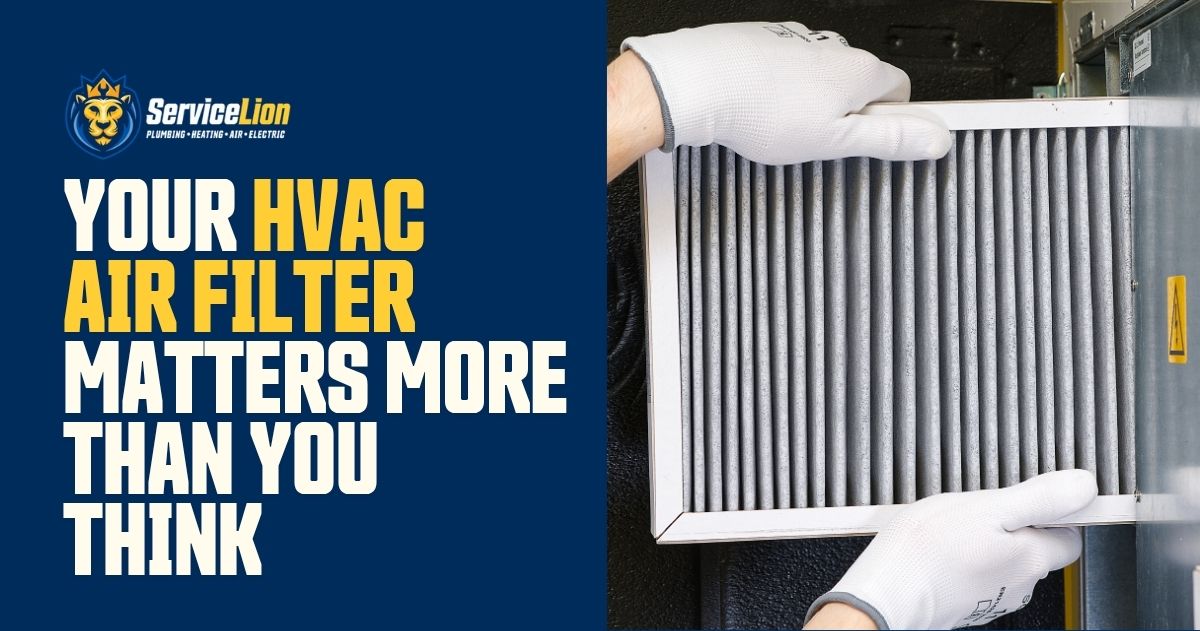
The HVAC air filter is one of the smallest—and most overlooked—parts of your heating and cooling system.
Many homeowners don’t think about it until the air conditioner stops cooling properly or their energy bills suddenly increase. But a dirty air filter can affect everything from indoor comfort to system efficiency and even the lifespan of your HVAC equipment.
If you live in Whittier, regularly replacing your HVAC air filter is one of the easiest and most affordable ways to keep your system running efficiently.
Here’s why it matters more than you might think.
What Does an HVAC Air Filter Do?
Your HVAC air filter traps airborne particles before they enter your heating and cooling equipment.
A clean filter helps capture:
- Dust
- Pollen
- Pet dander
- Lint
- Mold spores
- Other airborne debris
By preventing these particles from entering the system, the filter protects important HVAC components while helping improve indoor air quality.
It Improves Airflow
Your air conditioner relies on proper airflow to cool your home efficiently.
As an air filter becomes clogged with dust and debris, less air can move through the system.
Restricted airflow forces your HVAC equipment to work harder to reach the desired temperature, which can reduce comfort throughout your home.
Signs of restricted airflow include:
- Weak airflow from vents
- Longer cooling cycles
- Uneven temperatures
- Reduced cooling performance
It Helps Lower Energy Bills
A clogged filter increases the workload on your HVAC system.
Because the blower has to push air through a dirty filter, the equipment consumes more energy during every cooling cycle.
Replacing a dirty filter allows air to move more freely, helping the system operate more efficiently and potentially reducing monthly utility costs.
It Protects Your HVAC Equipment
The air filter also protects expensive internal components from dust buildup.
Without a clean filter, debris can accumulate on:
- The evaporator coil
- The blower motor
- The blower wheel
- Other internal components
Over time, this buildup can reduce efficiency, increase wear, and contribute to costly repairs.
It Can Extend the Life of Your System
When your HVAC equipment doesn’t have to work as hard, its components generally experience less wear over time.
Routine filter changes help reduce unnecessary strain on the blower motor, compressor, and other parts, potentially extending the lifespan of the entire system.
It Improves Indoor Air Quality
Although HVAC filters aren’t designed to eliminate every airborne contaminant, they can significantly reduce common household particles.
Replacing your filter regularly may help reduce:
- Dust circulating through the home
- Pet hair and dander
- Seasonal pollen
- Airborne allergens
Homes with pets or family members who suffer from allergies often benefit from more frequent filter changes.
How Often Should You Change Your Air Filter?
The ideal replacement schedule depends on several factors, including the type of filter you use and your household.
As a general guideline:
- Every 1–2 months for homes with pets.
- Every 2–3 months for most households.
- More frequently during periods of heavy HVAC use.
- As recommended by the filter manufacturer.
Checking your filter monthly helps you determine whether it needs replacement sooner.
Choosing the Right Filter
Not all air filters are the same.
Filters vary by size, thickness, and MERV (Minimum Efficiency Reporting Value) rating.
While higher MERV ratings capture smaller particles, they may also restrict airflow if your HVAC system isn’t designed for them.
A licensed HVAC technician can recommend the appropriate filter for your specific equipment and indoor air quality needs.
When Should You Call an HVAC Professional?
If you’ve replaced the air filter but still notice:
- Weak airflow
- High energy bills
- Uneven cooling
- Frequent system cycling
- Poor indoor comfort
…there may be another issue affecting your HVAC system.
A professional inspection can identify problems involving ductwork, blower components, refrigerant levels, or other parts of the system.
Changing your HVAC air filter is one of the simplest maintenance tasks you can perform, yet it has a significant impact on your home’s comfort, energy efficiency, and equipment longevity.
A clean filter helps your HVAC system operate the way it was designed—keeping your home comfortable while reducing unnecessary strain on the equipment.
Service Lion Plumbing Heating Air Electric provides HVAC maintenance, air conditioning repairs, system inspections, and filter replacement services throughout Whittier and Orange County. If you’re experiencing airflow problems or it’s been a while since your last HVAC maintenance visit, call (657) 530-5808 or schedule online to have one of our licensed HVAC technicians inspect your system.
FAQ
How often should I change my HVAC air filter?
Most homeowners should replace their HVAC air filter every two to three months, although homes with pets or allergy sufferers may need more frequent changes.
Can a dirty air filter damage my air conditioner?
Yes. A clogged filter restricts airflow, forcing the system to work harder and increasing wear on important HVAC components.
Will changing my air filter lower my energy bill?
A clean air filter allows your HVAC system to operate more efficiently, which may help reduce energy consumption and cooling costs.
What happens if I never change my air filter?
Neglecting filter changes can lead to poor airflow, higher utility bills, reduced indoor air quality, frozen evaporator coils, and premature equipment failure.
Can I replace my HVAC air filter myself?
Yes. Most homeowners can replace their air filter in just a few minutes, provided they install the correct size and type recommended for their HVAC system.