

You start a load of laundry, and everything seems normal—until the washing machine begins draining.
Suddenly, you hear gurgling. Water rises in the standpipe. Maybe it spills onto the laundry room floor, or you notice water backing up into a nearby sink.
A washing machine drain backing up usually means the plumbing can’t move water away as quickly as the washer is releasing it.
Modern washing machines can discharge a significant amount of water in a short period, so a drain that’s partially clogged or otherwise struggling may seem fine until laundry day.
For Brea homeowners, here’s what may be happening and when it’s time to have the drain inspected.
Why Does the Drain Back Up Only When the Washer Runs?
Your washing machine pumps wastewater into a standpipe, which connects to your home’s drainage system.
Unlike a sink that drains relatively gradually, a washing machine can release water quickly during its drain cycle.
If the pipe is partially restricted, water may enter faster than it can flow away. The excess water then rises through the standpipe and can overflow onto the floor.
This is why you might not notice any plumbing problem until the washer reaches its drain or spin cycle.
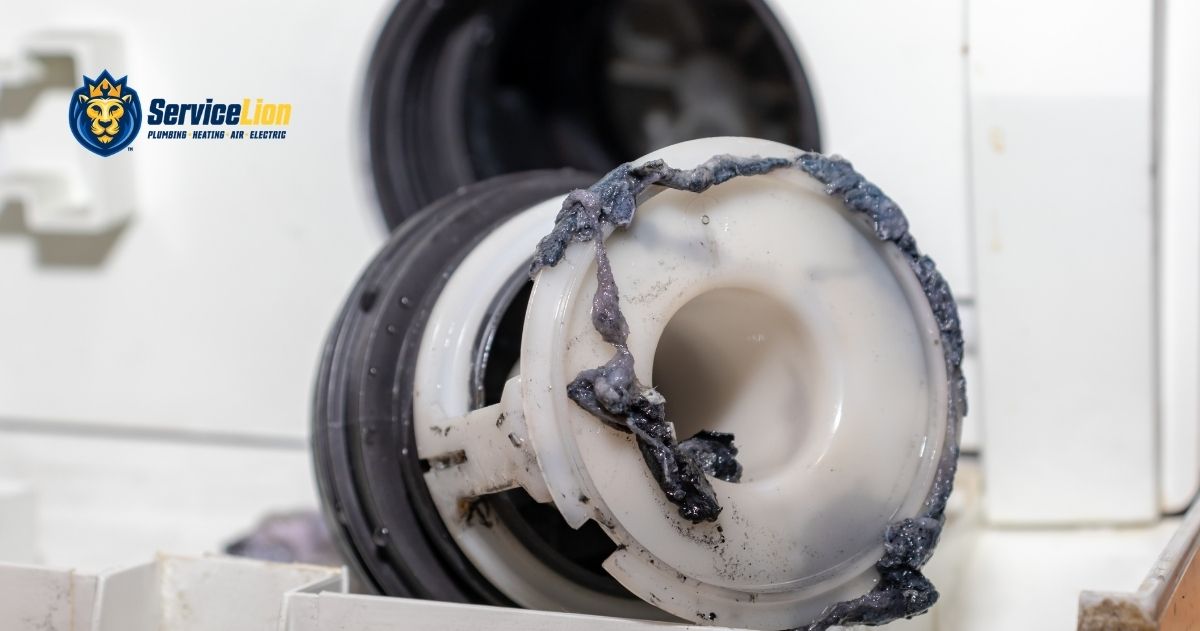
Lint and Debris Can Build Up Inside the Drain
Your washing machine removes more than dirt from clothing.
Laundry water can contain:
- Lint
- Hair
- Detergent residue
- Fabric fibers
- Dirt and debris
- Oils from clothing
Over time, some of this material can collect inside the drainpipe.
A small amount of buildup may not cause an immediate problem. But as the opening becomes narrower, the drain may eventually struggle to handle the washer’s discharge.
Too Much Detergent Can Contribute to Buildup
Using extra detergent doesn’t necessarily make clothes cleaner.
Excess detergent can create additional residue and suds that travel through the washing machine drain. Combined with lint, hair, and other debris, that residue can contribute to buildup inside the plumbing.
This can be particularly noticeable if the drain already has restricted flow.
Using the amount and type of detergent recommended for your washing machine can help reduce unnecessary residue.
The Clog May Be Farther Down the Drain Line
Sometimes the problem isn’t immediately behind the washing machine.
The laundry drain eventually connects with other plumbing lines in your home. If there’s a blockage farther downstream, water from the washer may have nowhere to go.
Pay attention to what happens elsewhere when the washing machine drains.
You may notice:
- A nearby sink gurgling
- Water backing up into another fixture
- Multiple drains running slowly
- Bubbling from a nearby drain
- Unpleasant drain odors
When several fixtures are affected, the problem may involve a larger branch drain or main drainage line rather than only the washing machine connection.
The Standpipe May Not Be Handling the Discharge Properly
The standpipe is the vertical pipe where your washing machine’s drain hose empties.
Its size, height, and configuration matter.
If the plumbing wasn’t installed correctly—or an older laundry setup wasn’t designed for the discharge rate of a newer washing machine—the standpipe may struggle to keep up even when there isn’t a severe clog.
This can become noticeable after replacing an older washer with a newer model.
A plumber can inspect the laundry plumbing and determine whether the issue is a blockage or the drain configuration itself.
Don’t Ignore Water on the Laundry Room Floor
It can be tempting to clean up an occasional overflow and keep using the washer.
But repeated backups can expose flooring, baseboards, drywall, and nearby cabinetry to water.
If your washing machine is located upstairs, the risk is even greater because overflowing water can travel into ceilings and walls below.
Repeated backups are a sign that the underlying drainage problem needs to be addressed—not just cleaned up afterward.
What Should You Do When the Washer Drain Backs Up?
If water starts overflowing while the washing machine is draining:
- Stop the washing machine to prevent additional water from entering the drain.
- Clean up standing water as quickly as possible.
- Avoid running another load to see whether the problem happens again.
- Check nearby fixtures for slow drainage or gurgling.
- Have the drain inspected if the backup repeats or water affects multiple fixtures.
Avoid repeatedly pouring chemical drain cleaners into the laundry drain. They may not reach or remove the actual blockage, particularly if the clog is farther down the plumbing system.
When Should You Call a Plumber?
Consider professional drain service if:
- The standpipe repeatedly overflows.
- The washer drains slowly or backs up every cycle.
- Nearby sinks or drains gurgle when the washer runs.
- Multiple fixtures are draining slowly.
- You’ve already cleared the visible drain area and the problem returned.
- Water is damaging the laundry room floor or surrounding surfaces.
A plumber can determine where the restriction is located and whether drain cleaning or another plumbing repair is needed.
Stop the Backup Before Your Next Load
Your washing machine should be able to drain without turning your laundry room into a cleanup project.
A backup may be caused by lint and detergent buildup, a deeper drain blockage, or a problem with the laundry plumbing itself. If it keeps happening, addressing the cause early can help prevent water damage and a more serious drain problem.
Service Lion Plumbing Heating Air Electric provides professional drain cleaning and plumbing repairs throughout Brea and Orange County. If your washing machine drain keeps backing up or overflowing, call (657) 530-5808 or schedule online to have one of our plumbers inspect the problem.
FAQ
Why does my washing machine drain overflow during the spin cycle?
The washer releases water quickly during its drain and spin cycles. If the standpipe or drain line can’t handle that flow because of a restriction or plumbing issue, water can back up and overflow.
Can lint clog a washing machine drain?
Yes. Lint, hair, fabric fibers, detergent residue, and other debris can accumulate inside laundry drain lines over time and restrict water flow.
Why does my sink gurgle when the washing machine drains?
The washing machine and sink may share part of the same drainage system. Gurgling can indicate restricted drainage or a venting issue that should be investigated.
Should I use drain cleaner if my washing machine drain is clogged?
Chemical drain cleaners aren’t always effective against laundry drain buildup and may not address a blockage located farther down the line. Recurring backups are better diagnosed before choosing a solution.
When should I call a plumber in Brea for a washer drain backup?
Call a plumber if the drain repeatedly overflows, nearby fixtures are also affected, the problem keeps returning after cleaning, or water is beginning to damage the laundry area.