

Your drains keep slowing down. You have the sewer line cleared, everything works normally for a while—and then the problem comes back.
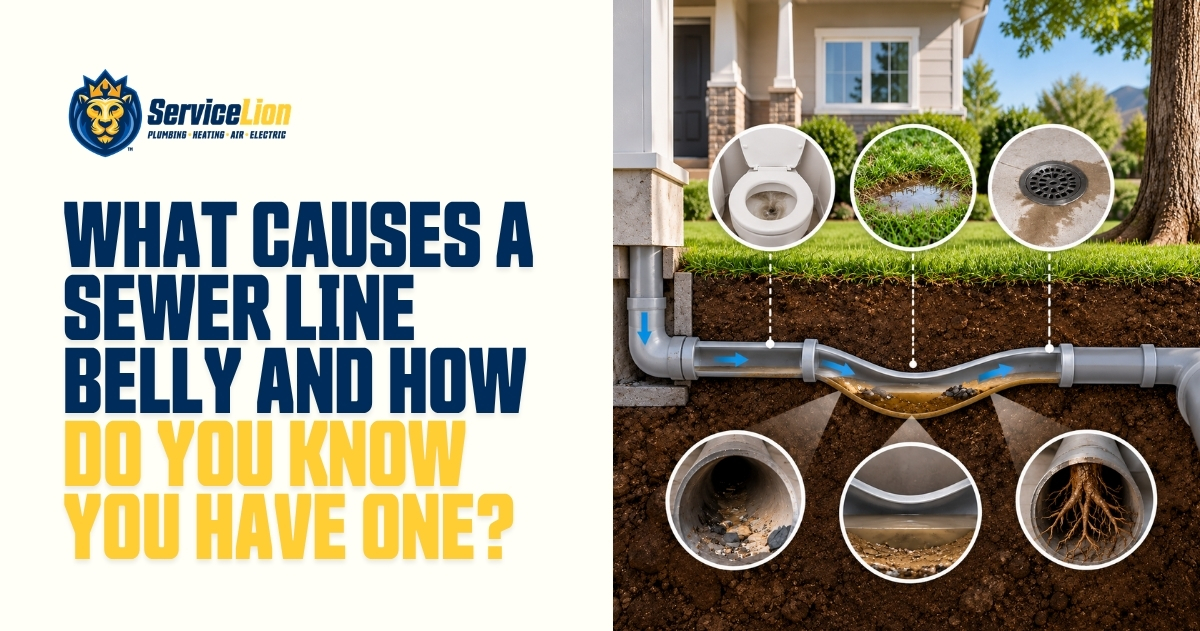
Sometimes the issue isn’t another ordinary clog. The pipe itself may have developed a low spot known as a sewer line belly.
A sewer line should maintain a consistent downward slope so wastewater can flow away from your home using gravity. When part of the pipe sinks or sags, water and waste can collect in that low section instead of flowing freely toward the main sewer.
For Pasadena homeowners dealing with recurring drain or sewer problems, identifying a sewer line belly can help explain why traditional drain cleaning only provides temporary relief.
What Is a Sewer Line Belly?
A sewer line belly is a section of pipe that has dropped below its intended slope.
Think of your sewer pipe as a gently sloping path. Wastewater should continually travel downhill.
When part of that path sinks, it creates a bowl-shaped section where water can collect.
Solid waste, grease, paper, and other debris may then settle inside the low spot rather than moving through the line.
Over time, this can lead to:
- Slow drainage
- Recurring clogs
- Sewer backups
- Standing water inside the pipe
- Increased buildup
The larger the belly becomes, the more difficult it can be for wastewater to move through the sewer line properly.
What Causes a Sewer Pipe to Sag?
Sewer line bellies typically develop because the soil supporting the pipe has shifted or wasn’t properly prepared during installation.
Common causes include:
Soil Movement
Southern California soil can shift over time due to changing moisture conditions, settling, and other ground movement.
If the soil underneath part of the sewer line moves away, the unsupported pipe may begin to sag.
Poor Installation
A sewer line needs proper grading and consistent support when it’s installed.
If the trench wasn’t prepared correctly or the pipe wasn’t adequately supported, sections may eventually settle and create low spots.
Ground Settling
Soil naturally settles over time, particularly around areas that were previously excavated.
As the ground beneath the pipe settles unevenly, part of the sewer line may sink with it.
Heavy Pressure Above the Pipe
Depending on the depth and location of the sewer line, heavy vehicles, construction, or other significant loads above the pipe can contribute to shifting or damage.
Signs You May Have a Sewer Line Belly
A sewer belly is underground, so you won’t be able to see the problem directly.
Instead, homeowners usually notice symptoms inside the house.
Recurring Drain Clogs
One of the biggest clues is a main sewer line that repeatedly becomes clogged even after professional cleaning.
Clearing the blockage may restore flow temporarily, but debris can begin collecting in the belly again.
Multiple Slow Drains
If several fixtures begin draining slowly at the same time, the issue may be in the main sewer line rather than an individual sink or shower drain.
Gurgling Toilets and Drains
Standing water or partial blockages inside the sewer line can affect airflow through the plumbing system.
You may hear bubbling or gurgling from toilets, sinks, or showers.
Sewer Backups
As waste accumulates inside the sagging section, wastewater may eventually have nowhere to go.
This can result in sewage backing up into lower fixtures such as showers, tubs, or floor drains.
How Is a Sewer Line Belly Diagnosed?
The most useful tool for investigating a suspected sewer line belly is a sewer camera inspection.
A plumber feeds a waterproof camera through the sewer line to examine the inside of the pipe.
The inspection can reveal:
- Areas of standing water
- Pipe damage
- Root intrusion
- Cracks
- Offset connections
- Recurring buildup
- Sections that appear to be holding water
Because several sewer problems can produce similar symptoms, a camera inspection helps determine what’s actually happening before repair options are discussed.
Will Hydro Jetting Fix a Sewer Line Belly?
Drain cleaning or hydro jetting may remove debris that has accumulated inside the low section and temporarily improve drainage.
However, it doesn’t correct the underlying slope of the pipe.
If the pipe continues holding wastewater, debris may begin accumulating again.
That’s why homeowners with a sewer belly sometimes experience the same blockage repeatedly despite having the line professionally cleaned.
How Is a Sewer Line Belly Repaired?
The appropriate repair depends on the location and severity of the sagging section.
Because the pipe needs to regain proper support and slope, repairing a true sewer belly may require accessing the affected section, correcting the underlying support, and replacing or repositioning the damaged pipe.
The first step is determining exactly where the problem is and how much of the sewer line is affected.
A professional inspection can help determine whether you’re dealing with a sewer belly or another problem such as roots, buildup, damaged pipe, or an offset joint.
Stop Treating the Same Clog Over and Over
If your main sewer line repeatedly backs up despite being cleared, there may be a reason the blockage keeps returning.
A sewer line belly creates a low point where wastewater and debris can continually collect. Clearing the debris may help temporarily, but diagnosing the structural problem is the key to finding a longer-term solution.
Service Lion Plumbing Heating Air Electric provides sewer camera inspections, drain services, and sewer line repairs throughout Pasadena. If you’re dealing with recurring sewer backups or slow drains, call (657) 530-5808 or schedule online to have one of our licensed plumbers investigate the cause.
FAQ
What does a sewer line belly look like?
A sewer line belly is a low or sagging section of sewer pipe where water collects instead of flowing continuously toward the main sewer.
Can a sewer line belly cause recurring clogs?
Yes. Waste and debris can settle in the low section, causing blockages to return even after the sewer line has been cleared.
Can hydro jetting fix a sagging sewer pipe?
Hydro jetting can remove buildup inside the pipe, but it cannot correct the physical slope or support of a sagging sewer line.
How do plumbers find a sewer line belly?
A sewer camera inspection can help identify standing water and other signs of a low section while also checking for roots, cracks, buildup, and other sewer line problems.
Does a sewer line belly always need repair?
Not every drainage problem is caused by a belly, and the severity can vary. A plumber should inspect the sewer line first to determine the cause of the problem and whether repair is necessary.